 Scanner Radio
/
Blog
Scanner Radio
/
Blog
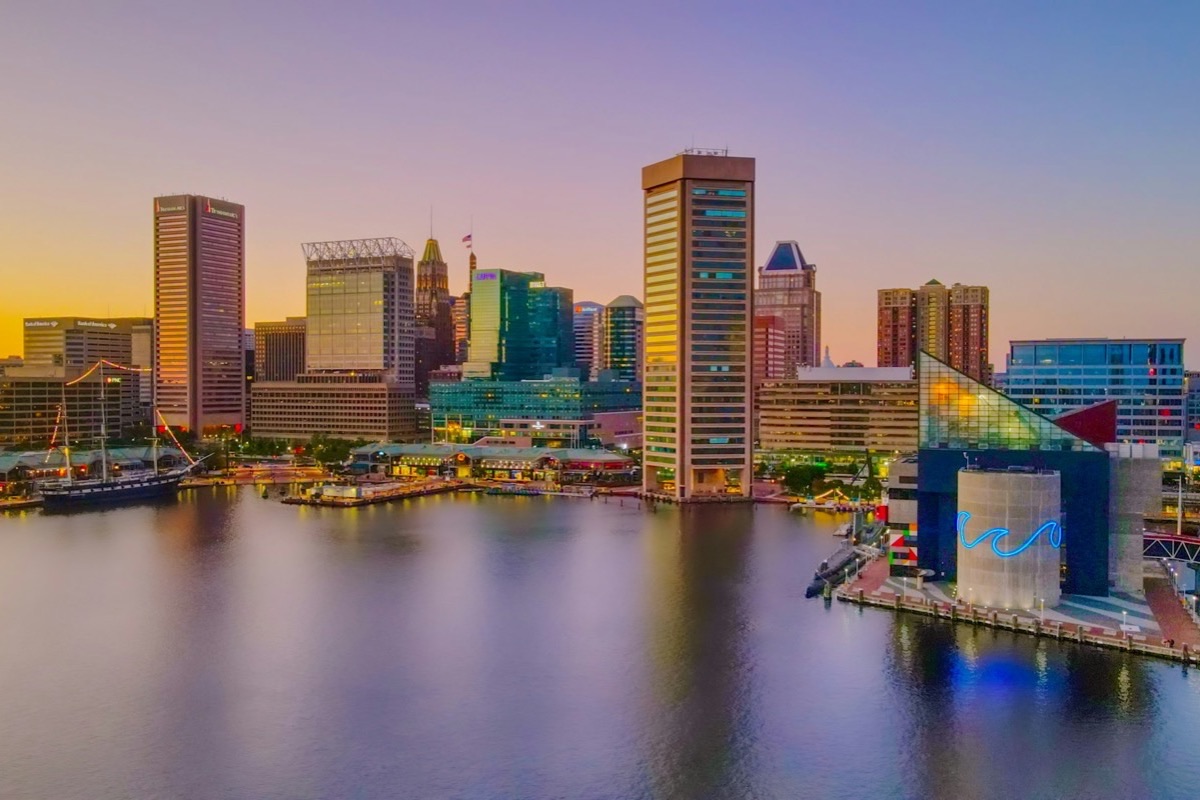
Baltimore is a compact city with a lot happening in it. Nine police districts share about 80 square miles, from the rowhouse blocks of East and West Baltimore to the waterfront bars of Fells Point, and the radio reflects all of it. You do not need a scanner of your own to follow along. Here is how the city's radio is organized and which feeds to try first.
Baltimore is an independent city, which means it sits outside Baltimore County and runs its own police department. The Baltimore Police Department fields more than 2,000 sworn officers and divides the city into nine patrol districts: Central, Southeast, Eastern, Northeast, Northern, Northwestern, Western, Southwestern, and Southern. Each district works its own radio channel, so a dispatcher can stay with one part of the city instead of juggling calls from every corner at once.
Police and fire both run on a digital trunked radio system. Following it with a handheld scanner means buying a capable model and programming it correctly, which is more effort than most casual listeners want to spend.
Install Scanner Radio on your phone (it is free on iOS and Android), then tap the Baltimore City Police button below, or search "Baltimore" in the app and press play.
 Baltimore City Police
Baltimore, Maryland
Baltimore City Police
Baltimore, Maryland
Heading up I-95 instead? Our Philadelphia scanner guide covers the police and fire feeds there.
Every patrol district has a feed of its own. The neighborhoods listed are a rough guide, since district lines do not always follow neighborhood names.
A single district is far easier to follow than the whole city, and it is where you will actually recognize the street names.
Baltimore's fire department answers both fire calls and the city's 911 medical calls, and medical runs make up the large majority of its work. On Baltimore City Fire you will hear medic units assigned to calls, engines and trucks sent to reported fires, and the first arriving company describing what it sees. Vacant rowhouse fires are a recurring feature of Baltimore fire radio, and they can draw a large response even when no one is inside.
Two more feeds round out the area. Baltimore County Fire and EMS Dispatch covers the surrounding county, including Towson, Dundalk, and Catonsville, which the city department does not serve. And for something different, Baltimore Harbor Marine VHF carries ship and tugboat traffic from one of the busiest ports on the East Coast.
Scanner Radio sends notifications when there is major activity, such as a shooting, a multi-alarm fire, or a serious crash, and it can alert you when the listener count on a feed jumps suddenly. That kind of spike is often the first sign that people across the city heard something worth tuning in for.


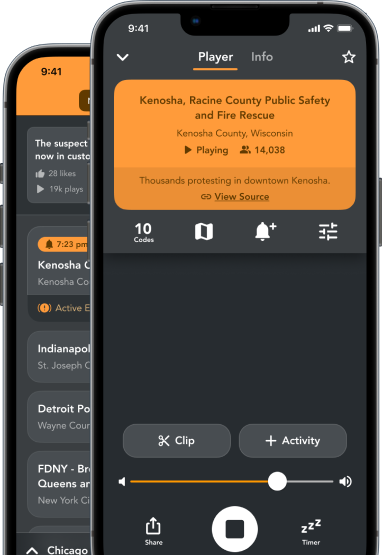
Install the Scanner Radio app on your phone, search for Baltimore, and choose a feed. Baltimore City Police carries the citywide channel, and each of the nine patrol districts has its own feed, such as Baltimore City Police Central District.
Yes. Listening to public safety radio is legal in Maryland, as it is across the United States. What the law prohibits is using what you hear to commit a crime or to interfere with police.
No. Baltimore City is an independent city with its own police and fire departments, and Baltimore County is a separate jurisdiction that surrounds it. For the suburbs, try Baltimore County Fire and EMS Dispatch or Baltimore County Municipal Police Departments.
Nine. Each patrol district has its own radio feed, from Baltimore City Police Southeast District around Fells Point and Canton to Baltimore City Police Northern District around Hampden and Roland Park.
Start with the district where you live or work, since a single district is easier to follow than the whole city. If you want the broad picture, keep Baltimore City Police playing, and add Baltimore City Fire for fires and medical calls.
No. Scanner Radio is a free download on iOS and Android, and every Baltimore feed streams at no charge.
Listening from somewhere else? Swipe through our other city guides.