 Scanner Radio
/
Blog
Scanner Radio
/
Blog
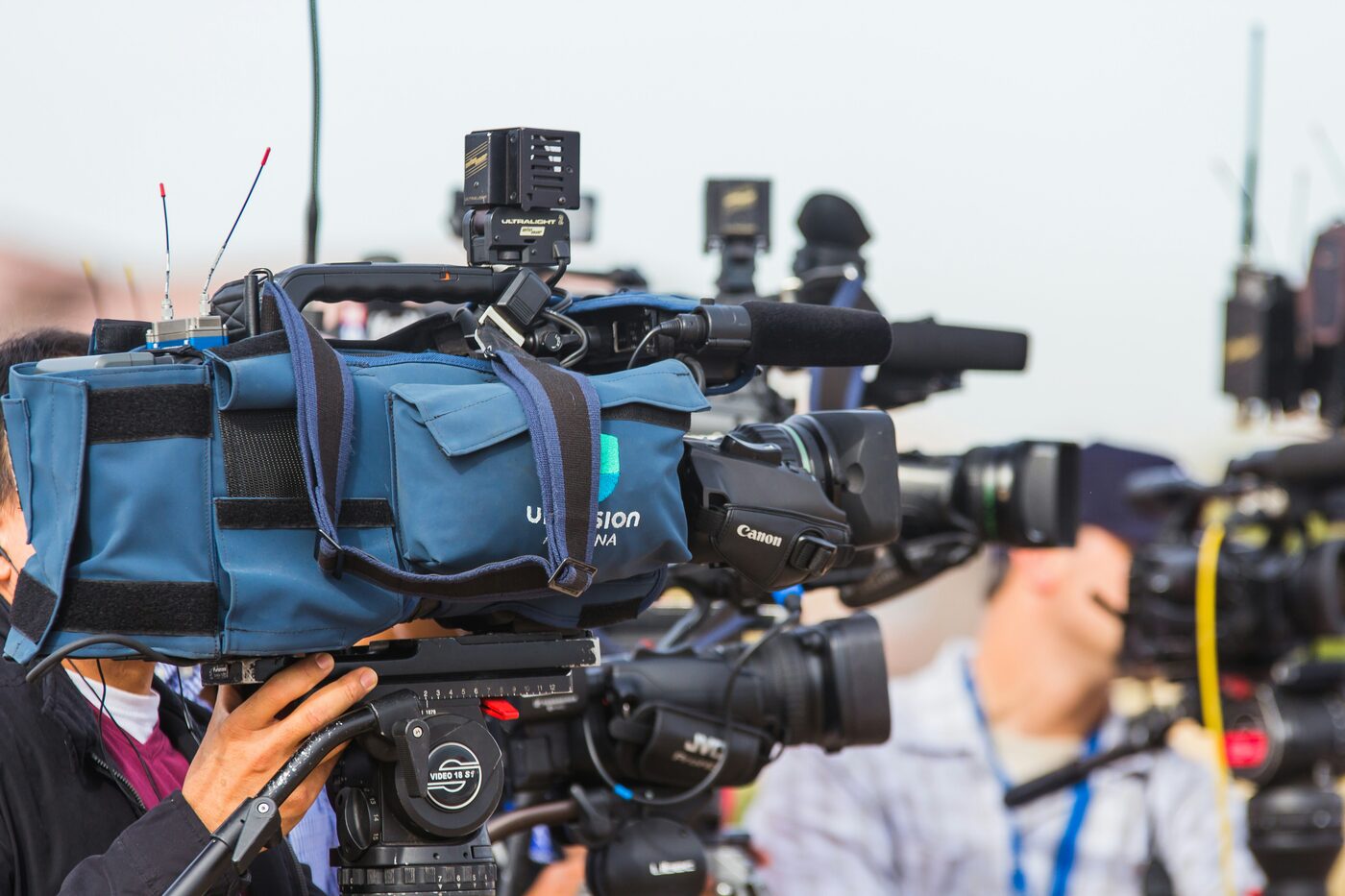
Before a police department issues a press release, before anyone tweets about an incident, before the first news alert goes out, the radio is already talking. Police dispatchers are routing units, fire commanders are calling for additional resources, and EMS crews are radioing updates to hospitals. For decades, journalists have kept a scanner running in the background because that's where the story begins.
It's not glamorous. A lot of scanner monitoring is just that: monitoring. Routine calls, traffic stops, minor incidents. But the moment something significant starts unfolding, you hear it in real time. That head start is why scanners have never left the newsroom.
Experienced scanner listeners learn to read the rhythm of radio traffic. Normal dispatch sounds one way; an active major incident sounds entirely different. Call volume spikes. Multiple units get assigned to the same location. A supervisor requests more resources. The dispatchers start using clipped, urgent shorthand. A reporter who knows those patterns can tell within seconds whether something warrants pulling up a recording or heading out the door.
The specifics vary by beat. A crime reporter monitors police channels for dispatch calls, signal codes, and unit assignments. A fire reporter tracks structure fire responses, manpower requests, and evacuation orders. A general assignment reporter might monitor several feeds at once, waiting for anything that breaks from routine. The scanner doesn't tell the full story, but it tells you where to look.
The physical police scanner, a boxy receiver sitting on a desk or dashboard, was a fixture in newsrooms for generations. Many veteran journalists have a story about sprinting to a scene because of something they heard on that box. The hardware isn't gone, but it's largely been replaced by software.
Apps that stream live scanner audio over the internet give reporters access to thousands of feeds from anywhere. A journalist covering a breaking national story can monitor feeds from a city across the country from their laptop. A freelancer without a newsroom can run scanner feeds on their phone during a night shift. The access that once required expensive hardware and local antenna placement is now a few taps away.
Scanner audio is a lead, not a confirmed fact. Dispatch calls can contain incomplete or evolving information. Officers working an active scene update their reports as conditions change, and early transmissions often don't reflect what was actually found. Responsible reporters treat scanner audio the way they treat any unverified tip: it tells you where to go and what questions to ask, not what to publish.
The standard practice is to use scanner audio as a prompt to reach out for official confirmation. Call the public information officer. Get to the scene. Talk to witnesses. The scanner got you there faster; the reporting is still on you.
Scanner monitoring has spread well beyond staff journalists. Freelance photographers and videographers use scanner feeds to get to scenes quickly. Local news blogs and neighborhood accountability journalists monitor feeds to cover stories that larger outlets miss. True crime researchers and podcast producers use scanner archives to reconstruct how incidents unfolded in real time. And a growing number of ordinary people listen simply to stay informed about what's happening in their community, approaching it the same way a reporter would: as raw, unfiltered situational awareness.
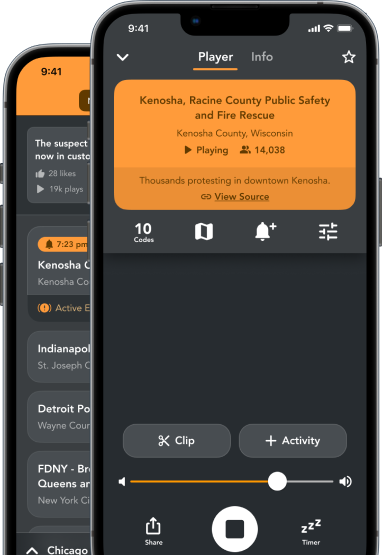
Tools like Scanner Radio have accelerated that trend by making the listening experience accessible without any technical setup. The app surfaces listener-tagged incident types on active feeds, so you can see at a glance what kind of event is drawing attention on a given channel, and push alerts notify you when a feed sees a sudden surge in listeners, which is itself often the earliest indicator that something significant is unfolding.


The scanner's role in journalism hasn't changed in fifty years. What's changed is who has access to one.